In recent years, concierge medicine has gained traction as a premium healthcare service, appealing to patients seeking a more customized and high-touch approach to medical care. Unlike traditional healthcare models, where patients may feel rushed during appointments and have limited access to their healthcare providers, concierge medicine emphasizes direct communication, longer appointment times, and a …

In recent years, concierge medicine has gained traction as a premium healthcare service, appealing to patients seeking a more customized and high-touch approach to medical care. Unlike traditional healthcare models, where patients may feel rushed during appointments and have limited access to their healthcare providers, concierge medicine emphasizes direct communication, longer appointment times, and a focus on preventive care. This personalized approach fosters a stronger doctor-patient relationship, allowing for more comprehensive, tailored healthcare solutions. By exploring effective strategies for enhancing the patient experience within the world of concierge medicine, we can uncover how healthcare providers can further prioritize patient well-being and satisfaction.
Safeguarding Your Health Data: Essential Steps
To protect yourself from healthcare cyberattacks, it is essential to understand that cybersecurity is everyone’s responsibility. You can play a crucial role in keeping your health data safe by following some simple steps. Here are a few measures you can take to safeguard your information:
1. Keep personal health records updated
One of the most important steps you can take is to keep a current copy of your medical history. If a cyberattack or data breach occurs, having access to your health records can help reduce the risk of errors in future treatments. Additionally, it is helpful to keep a record of any medication you are taking, allergies, and past medical conditions.
2. Stay informed
Stay updated with the latest cybersecurity threats and trends in the healthcare sector. Learn about common ways that hackers can attack and the potential impact of data breaches on your personal health information. You can also research the cybersecurity measures that healthcare providers have in place to protect their patients’ data.
3. Plan for emergencies
Be prepared for a healthcare cyberattack. Know who to contact and how to access alternative healthcare services if your usual provider is affected by a breach or system outage. It is essential to have an emergency plan in place in case of such emergencies.
4. Use cybersecurity best practices
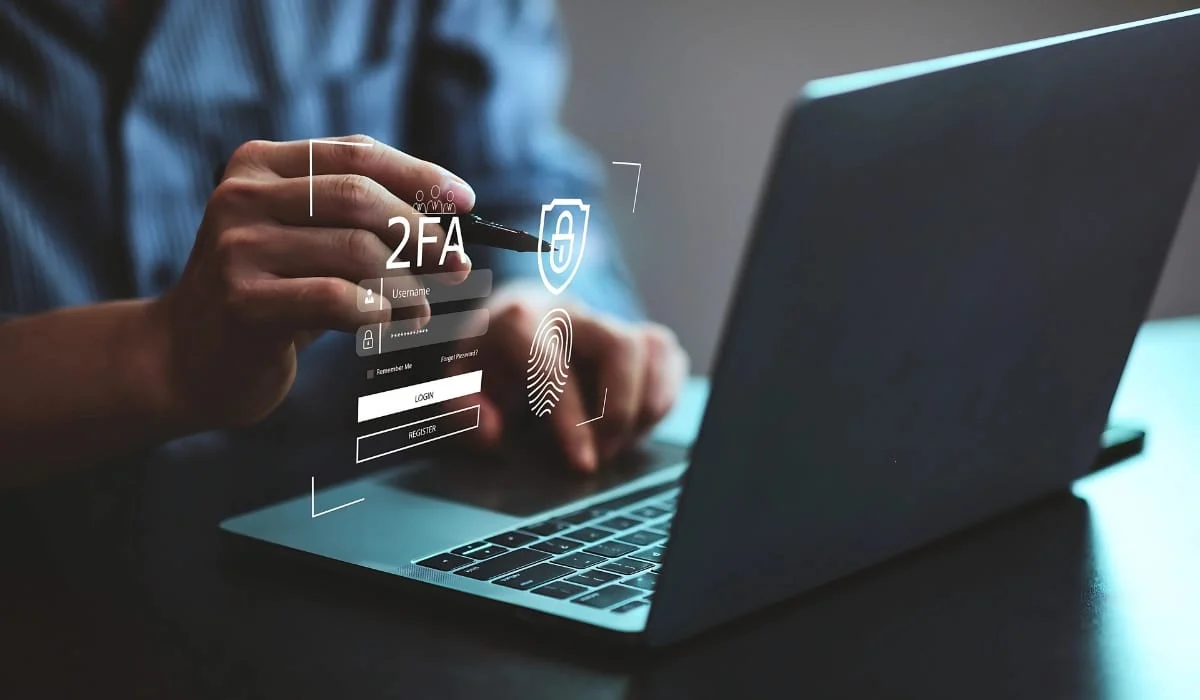
Follow cybersecurity measures to protect your personal devices and online accounts. This includes using strong, unique passwords, enabling two-factor authentication, and regularly updating software to patch known vulnerabilities. You can also use a Virtual Private Network (VPN) to encrypt your internet connection and protect your online privacy.
5. Phishing Awareness
Be careful of unsolicited emails, texts, or phone calls requesting personal or medical information. Cybercriminals often use phishing tactics to trick individuals into disclosing sensitive data or clicking on malicious links. Therefore, you should always verify the sender’s identity before sharing any information.
6. Healthcare Provider Communication
If you suspect a data breach, contact your healthcare provider immediately. They can guide you on necessary steps to protect your information and may offer support or resources for addressing potential consequences. It is better to be safe than sorry, so do not hesitate to contact your healthcare provider if you notice anything suspicious.
7. Use patient portals
Many healthcare providers offer secure patient portals to access your medical records and communicate with healthcare professionals. Make sure these portals employ strong encryption and authentication mechanisms to keep your data safe. Patient portals are an excellent way to access your medical information without the risk of data breaches.

8. Respond to data breaches
Learn about the steps you can take in case of a data breach, both as an individual and as part of a healthcare organization. Report any suspicious activity or unauthorized access to relevant authorities and follow recommended steps to minimize the impact of the breach. It is crucial to respond promptly to data breaches to prevent further damage.

Cyberattacks on healthcare providers put patient privacy at risk, but with ConsultingMDs as your strategic partner, you can strengthen your defenses and safeguard your practice against emerging threats.
Conclusion: Safeguarding Your Digital Health
The rise in healthcare cyberattacks has become a growing concern for healthcare providers and patients alike. Healthcare providers must take proactive steps to protect patients’ personal health information from cybercriminals. One way to do this is by partnering with experts such as ConsultingMDs, who provide guidance on creating more secure healthcare websites. By implementing measures such as multi-factor authentication, regular security audits, and robust data encryption, healthcare providers can significantly reduce their risk of cyberattacks and keep their patients’ information safe.
Protecting your personal health information is crucial, and there are proactive measures you can take to mitigate the risks associated with healthcare cyberattacks. By following the steps outlined above, you can navigate the perils of healthcare cyberattacks and safeguard your well-being. Remember, your health data is valuable, and it is essential to treat it with the same care and vigilance as you would your physical health.